

Winkelwagen
0

Our advice
Protein requirement
For muscle recovery, growth and
maintenance of muscle mass.
Carbohydrate/sugar needs
Fuel for exercise, endurance and glycogen replenishment.
Fluid intake requirement
Essential for performance, recovery and prevention of dehydration.
Protein and muscle recovery: the basics
Protein - Protein requirement
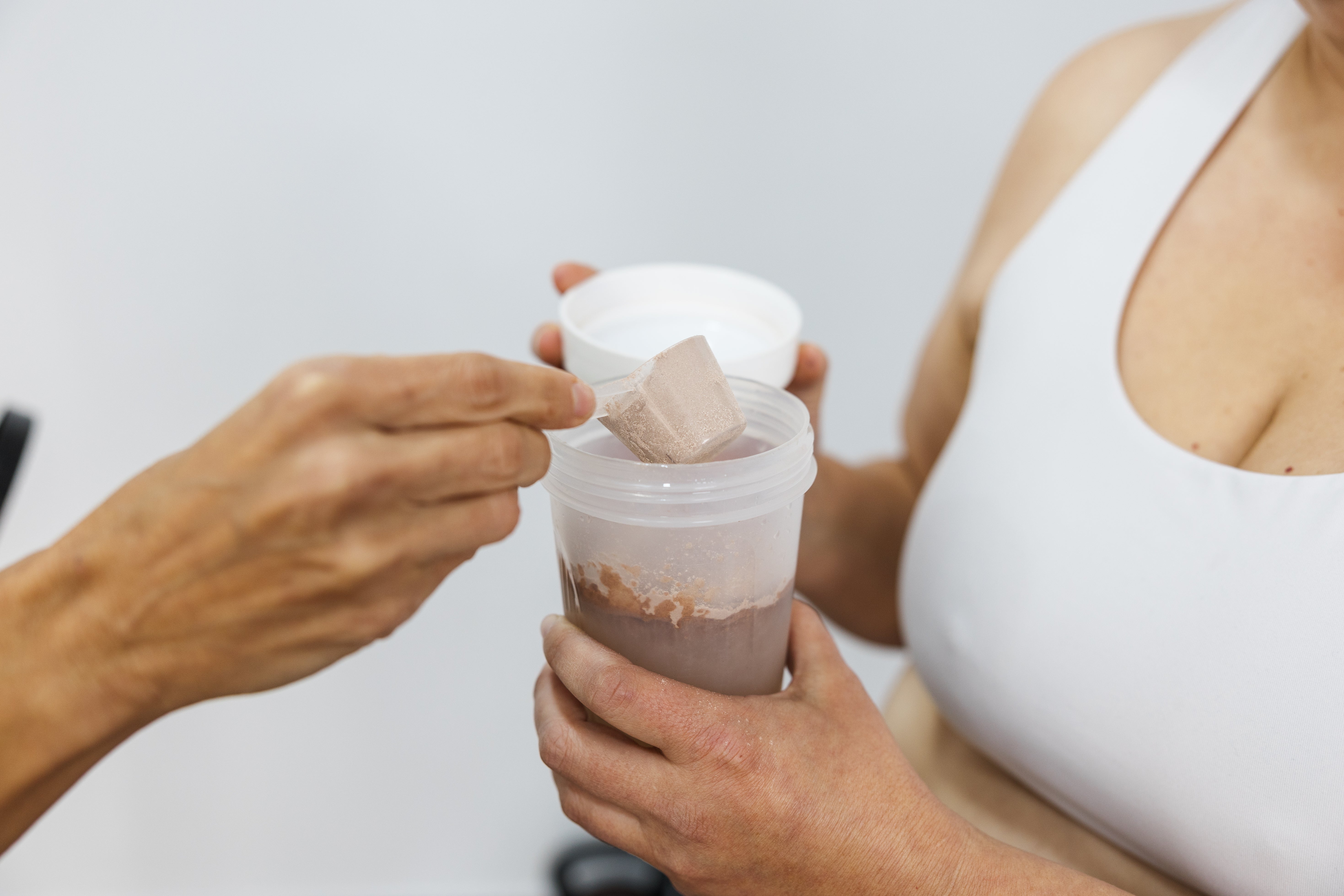
Protein is essential for muscle recovery and building. During training, the muscle structure is locally damaged. This damage isn't negative: it triggers repair processes. Protein plays a key role in this process. Consuming sufficient protein creates a positive balance between protein synthesis (production) and breakdown. Your body recovers and adapts so you're better able to withstand the same stimulus the next time you train. How your muscles adapt depends not only on the type of training, but also on the quantity and quality of the proteins you consume.
What are proteins anyway?
Proteins are made up of amino acids, which your body uses as building blocks. Some of these amino acids are produced by your body (non-essential amino acids), but you must obtain others through your diet (essential amino acids). Proteins that contain all the essential amino acids—so-called "complete" proteins—stimulate muscle protein synthesis the most. Among these amino acids, leucine plays a special role. It's an important trigger that initiates the muscle-building process.

Different types of proteins
The most researched protein sources are whey protein, casein, and vegetable proteins. They differ primarily in their absorption rate and effect on protein synthesis. Whey protein is absorbed quickly and significantly increases protein synthesis within the first 3–4 hours after ingestion. It contains a relatively high amount of leucine, making it especially popular during workouts. However, Rock+ High Pro easily rivals whey protein. Its unique enzymatic pretreatment and high levels of leucine, among other nutrients, make High Pro a perfect protein source for rapid recovery. Other plant-based proteins on the market often have a lower leucine concentration, and the protein is also less easily metabolized. Casein from milk is absorbed more slowly. It ensures a more gradual increase in protein synthesis and is therefore often taken before bed to support muscle recovery processes overnight. This is why Rock+ Night Protein contains a portion of casein combined with high-quality plant proteins. Night Protein is suitable for those who want to avoid lactose (maximum 1 serving per day).

For whom is protein intake important?
Adequate protein intake is essential for both strength and endurance athletes. Strength training focuses on muscle building. Endurance athletes primarily use protein to limit muscle breakdown, especially during strenuous or prolonged exercise. In both cases, the quality of the protein is just as important as the quantity.

How much protein do you need?
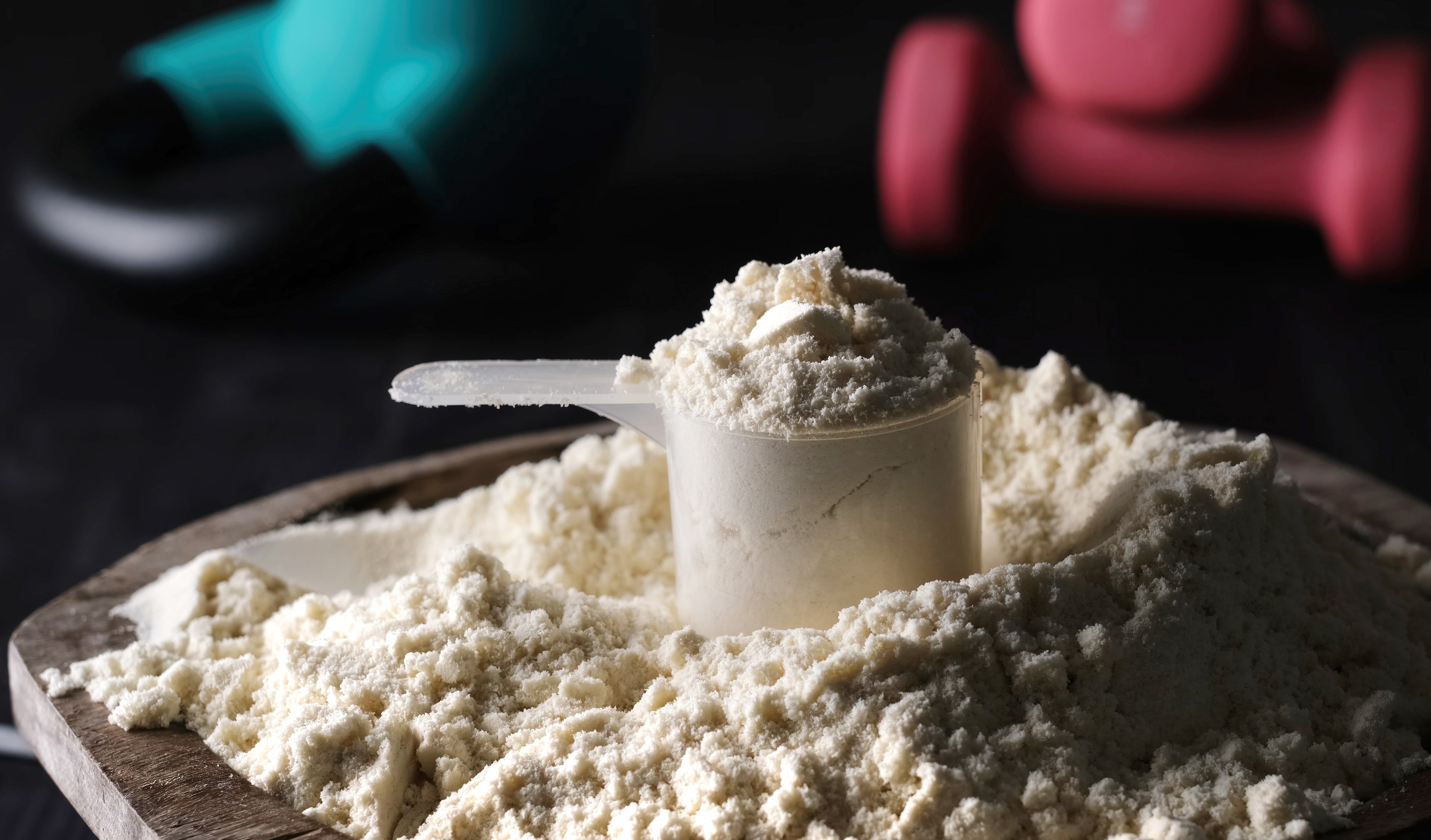
The general guideline for athletes is between 1.2 and 2.0 grams of protein per kilogram of body weight per day. This amount supports muscle recovery and prevents unnecessary breakdown. For endurance athletes, the recommended amount is between 1.2 and 1.6 grams per kilogram of body weight, and for strength athletes this can be higher, up to a maximum of 2 to 2.2 grams per kilogram of body weight. Don't exercise? Then, for example, 0.9 grams of protein per day per kilogram of body weight is more than enough. This amounts to approximately 0.3 to 0.5 grams of protein per kilogram of body weight per meal/eating session. To meet your daily needs, you'll need multiple protein-rich meals spread throughout the day—usually four or more. Keep in mind that your body can only process an average of 30 grams of protein per meal!


Is timing important?
For a long time, it was thought that you should consume protein immediately before or after your workout. Recent research shows that this is less critical than previously thought. As long as there are no more than 3 to 4 hours between protein intakes, the effect is comparable. Regularity and spacing are therefore key. Several studies have shown that taking 30 grams of Night-Protein before bed helps maintain a positive protein balance and support recovery during the night.

Combining proteins with carbohydrates?
Combining protein with carbohydrates isn't necessary to improve protein synthesis, as long as the protein intake itself is sufficient. Carbohydrates can certainly be important for restoring glycogen stores, but they don't contribute significantly to the effect of protein on muscle synthesis. The recommended amount is between 1.2 and 2.0 grams of protein per kilogram of body weight per day, spread over several meals. High-Pro is ideal around workouts, while Night Protein is suitable for nighttime. The exact timing around your workout is less important than regularly spread out your intake. Determining your ideal protein intake remains a personalized process. Therefore, if you have any doubts or specific goals, it's advisable to consult a sports dietitian. Our team is ready to provide you with personal advice.
BCAAs
It's advisable to support your body with a pre-workout and a recovery product before and after a heavy/intensive workout. Both products contain BCAAs. BCAA stands for Branched Chain Amino Acids. These include the three essential amino acids leucine, isoleucine, and valine. Like the other essential amino acids, the body cannot produce these BCAAs itself. Rock+ AminoFuel is designed for rapid recovery, muscle maintenance, and muscle growth. It contains BCAAs in a ratio of 8:1:1 to carnitine. Rock+ pre-workout products contain creatine, among other ingredients, to boost creatine stores and the active ingredients for training. The pre-workout products also contain a basic amount of BCAAs so you're prepared before exercise and can also work on recovery during the workout. Many strength-training athletes promote muscle growth with amino acid supplements. British scientists have determined that amino acids play another role in muscle strength. There are indications that a specific group of amino acids, BCAAs (branched chain amino acids), can contribute to faster recovery from muscle strength loss after strenuous strength training. The amino acids in question are leucine, isoleucine, and valine. Researcher Howatson and his colleagues conclude that taking these amino acids can contribute to faster recovery from muscle damage sustained after strength training.
The most important fuel for your body during exercise.
Carbohydrate/sugar needs
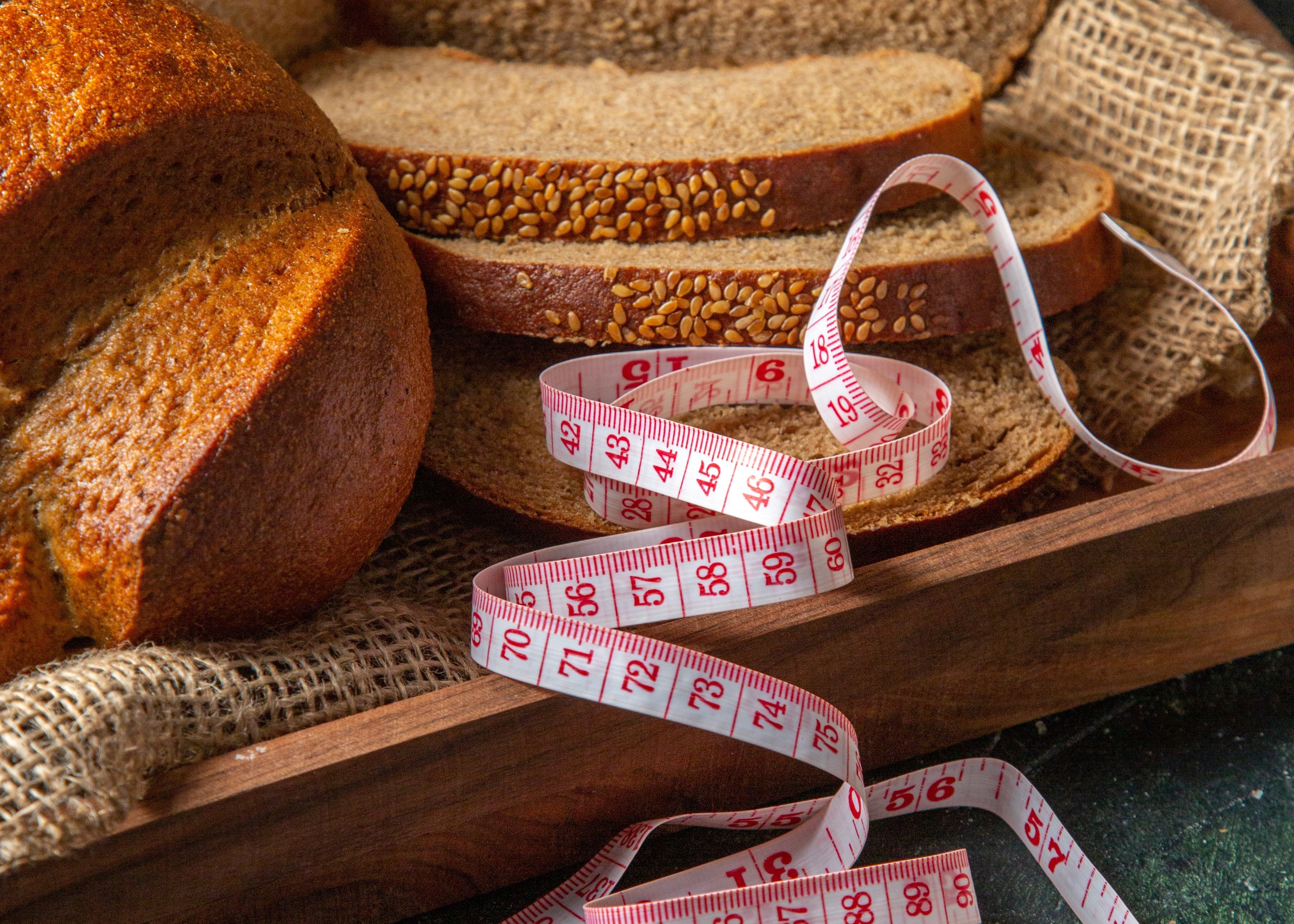
They're stored in your muscles and liver as glycogen, which you use as soon as you're active for longer than 30 seconds. But that supply isn't infinite: after an hour of intense exercise, your energy levels begin to drop. That's why it's smart to consume extra carbohydrates during exercise.
Fast and slow carbohydrates
There are roughly two types of carbohydrates:
- Fast carbohydrates (such as glucose, sucrose, and maltodextrin) are quickly digested, quickly absorbed, and are immediately available to your muscles.
- Slow carbohydrates (like fructose and galactose) take longer to digest. They sometimes have to be converted into glucose by your liver before they're useful.

How many carbohydrates do you need per day?
It depends on how much you train:
- 1 hour per day: 5–7 grams of carbohydrates per kilogram of body weight.
- 1–3 hours per day: 6–10 grams per kilo.
- More than 3 hours per day: 8–12 grams per kilo.
You don't need to get all of this from sports nutrition—regular food is often sufficient. But during a competition or heavy training, sports nutrition can be useful: more carbohydrates in a smaller volume, and easier to carry.

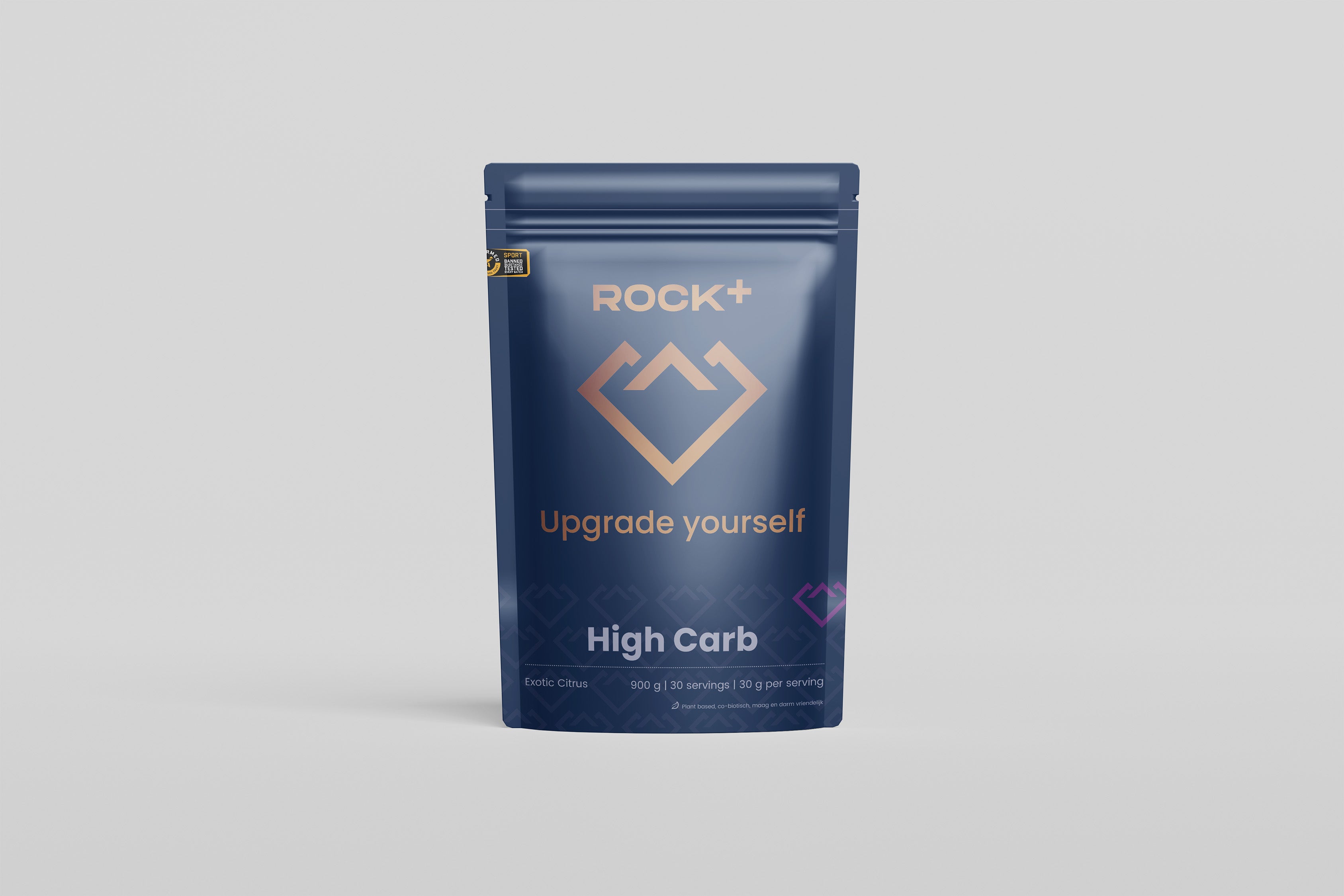
When to use extra carbohydrates?
Before exercising, you've probably heard that endurance athletes (cyclists, long-distance runners, etc.) "load" on carbohydrates. This "loading" refers to stocking up your glycogen stores. How much you need beforehand depends on the duration of the exercise. You can build up your stores with carbohydrate-rich foods like pasta, but you can also replenish them with products like Rock+'s High-carb.
Carbohydrate loading isn't necessary for short workouts/efforts. However, maintaining your glycogen stores is recommended, especially for intense activities (endurance sports, explosive efforts, HIIT, strength training).
Maintain full glycogen stores:
- Up to 90 min of exercise: 8–12 g carbohydrates per kg per day 24 hours beforehand.
- Longer than 90 min: start 48 hours in advance.
- Last 4 hours before start: 1–4 g/kg extra.


During the effort
Extra carbohydrates ensure that your glycogen lasts longer, you get tired less quickly and you continue to perform better.
Depending on the duration of your effort:
- 30–60 minutes: no additional intake necessary.
- 1–2.5 hours: 30–60 grams of carbohydrates per hour, spread over several moments.
Isotonic is sufficient to achieve this amount, possibly supplemented with another carbohydrate source such as a banana or bar. - Longer than 2.5 hours: 70 - 90 grams per hour.
Then use a mix of carbohydrates (such as glucose-fructose in a 2:1 ratio) to increase your absorption capacity and prevent complaints.
Isotonic combined with high-carb provides a great foundation. Calculate your daily needs based on a minimum of 750ml of fluid with isotonic. Bars, fruit, cookies, etc. are also sources of carbohydrates.


Train your gastrointestinal tract
"Train the gut" isn't a fad. By regularly consuming the same amount of carbohydrates during training as you plan to on a race day or event, you increase your body's absorption capacity and reduce the risk of stomach or intestinal problems. Rock+ products are inherently very gentle on your stomach and intestines and even support your microbiome.

Finally
There's no one-size-fits-all when it comes to sports nutrition. Every body is different, and the type of sport and the circumstances also play a role. Therefore, seek guidance from a sports dietitian or expert in developing a good nutrition plan.
Hydration & Sports
Fluid Intake Need
Drinking enough may seem obvious, but in practice, many athletes still neglect it. Yet, a good fluid balance is crucial for your performance, recovery, and health. A disrupted fluid balance reduces energy (carbohydrate) absorption by 40% to 60%, causing cramps and resulting in reduced strength. Whether you're a dedicated endurance athlete or just a casual gym goer, without sufficient fluid, your body simply functions less efficiently. During exercise, you lose not only fluids but also important electrolytes ("salts"). Rock+ has developed a high-quality Isotonic sports drink in two delicious flavours that will provide you with optimal support during exercise.
Why is hydration so important?
Water plays a role in almost all processes in your body:
- It helps regulate your temperature
- It transports nutrients to your cells
- It removes waste products
- It keeps your joints flexible
Without sufficient hydration, these processes are less efficient, and you will notice this immediately: your performance decreases, you recover more slowly, and you have a greater risk of injury.
What happens when you get dehydrated?
Less stamina
Even mild dehydration causes energy levels to plummet. Your heart rate increases faster, your body tires more quickly, and your muscle function diminishes. In short: you're less able to keep going.
Greater risk of injury
A dehydrated body reacts more slowly and is less coordinated. This increases the risk of missteps, strains, and cramps—especially in sports that require speed and precision.
Slower recovery
Water is necessary to remove waste products from your muscles and to supply nutrients. Too little fluid means delayed recovery and increased muscle soreness after your workout.


How do I stay well hydrated?
Hydrate before, during and after your workout
- Beforehand: Drink about 500 ml of water in the 2 hours before your workout.
- During: Take sips regularly, especially in warm weather or an intensive session.
- Afterward: Drink enough to replenish lost fluids. A good guideline is 500 ml per pound of weight lost after exercise.
Check your urine color
A simple indicator: light yellow urine = well-hydrated. Dark urine = drink more. Completely colorless? Then you might have even had a little too much.

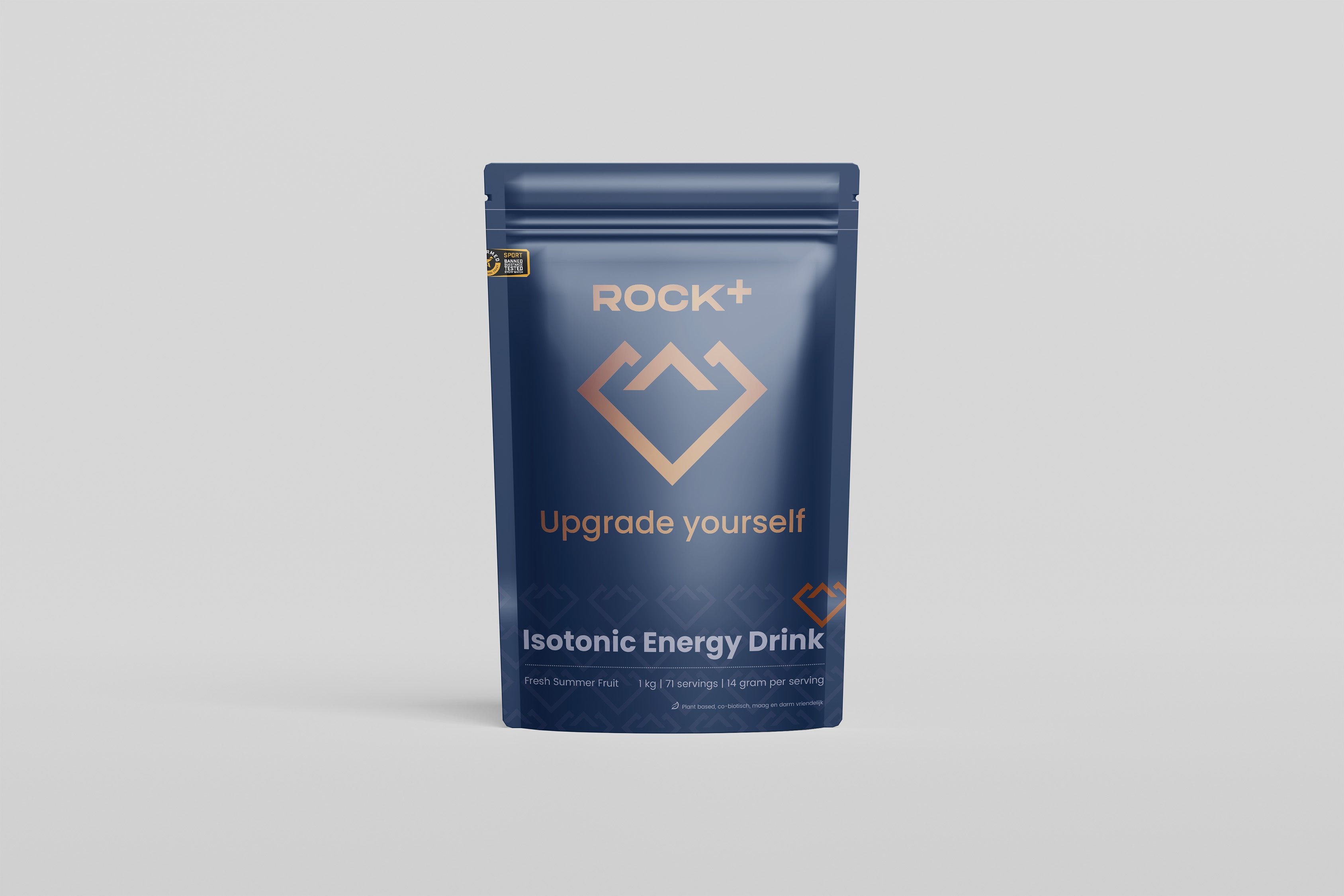
Isotonic sports drink
The primary function of an isotonic sports drink is to quickly replenish fluids and energy during and after exercise. Because of its similar solute concentration to blood, the drink is quickly absorbed and helps prevent dehydration and fatigue.
How does an isotonic sports drink work?
- Rapid absorption: The osmotic value of an isotonic drink is comparable to that of the blood, which means the drink is quickly absorbed by the body.
- Fluid balance: Isotonic drinks help restore fluid balance in the body, which is essential to prevent dehydration, especially during intense exercise.
- Energy supply: The carbohydrates present in the drink provide quick energy to the muscles, which can reduce fatigue and improve performance.
- Electrolytes: Isotonic drinks contain electrolytes like sodium and potassium, which are essential for proper muscle function and fluid balance. Replenishing these electrolytes helps prevent muscle cramps.


When is an isotonic sports drink useful?
Isotonic sports drinks are particularly useful for:
- Endurance sports: Long-term efforts such as long-distance running or cycling.
- Intense training: Sports in which a lot of fluid and energy is lost through sweating.
- High temperatures: In hot weather it is important to replenish extra fluids and electrolytes.
Benefits of an isotonic sports drink:
- Rapid hydration and energy supply
- Reduction of fatigue and muscle cramps
- Improving sports performance
- Easier to digest than some other drinks
In addition to electrolytes and sugars, the Rock+ Isotonic sports drink also contains essential amino acids (for immediate maintenance and recovery during exercise) and natural ingredients that ensure that your stomach and intestines are not burdened.
In short, an isotonic sports drink is an effective way to support your body during exercise, by quickly replenishing fluid, energy and electrolytes.

Finally
Drinking well is simple, but the difference in performance is significant. Sufficient hydration allows you to keep going longer, recover better, and reduce your risk of injury. Make it a habit to be mindful of your fluid intake—not just during exercise, but throughout the day. Your body will thank you.
Everything you want to know about Rock+
Frequently Asked Questions
What makes Rock+ different?
The
The strength of Rock+ products lies in the fact that all our products are stomach and
are gut-friendly and developed with attention to the microbiome; essential
for optimal digestion, resistance and functioning of your body.
In addition, all products in our range complement each other perfectly without
negatively affect the functioning. Rock+ offers scientifically substantiated
formulas without unnecessary fillers or artificial additives. All our
products are Informed Sport certified (each batch is inspected by the
laboratory tested), vegan and developed with attention to the
microbiome. Many products are also multifunctional, so no 3 or 4
different bags on the shelf but all in 1! Top athletes rely on
our quality – because only the best is good enough.
What does Informed Sport certified mean?
Informed Sport is an independent quality mark that guarantees that every batch product has been tested
is on banned substances. This makes our supplements safe for top athletes who
fall under anti-doping regulations. Are you also certain that your products are 100%
be pure, honest and of the highest quality.
Can I use Rock+ products if I am not a top athlete?
Absolutely. Our formulas are designed for every performance level – from recreational athletes to professional athletes. The ingredients support muscle recovery, energy management, brain function, and overall health through specially developed formulas.
How do I best use the products?
Each product page contains clear instructions for use. We generally recommend combining the dosage with your workout—pre-, intra-, or post-workout—or following your coach's advice. And you can always ask us for advice. On the Rock+ website, we've listed several examples/applications for using the various products for inspiration.
Can I combine multiple products?
Yes, our formulas are designed to complement each other without overlap or overdosing. Regarding carbohydrate needs during endurance sports, it is advisable to carefully monitor your intake of carbohydrates per hour. Limit your intake to a maximum of 90 grams per hour, unless otherwise instructed by your trainer. For personalized advice, please contact our customer service.
Where are our products produced?
Our products are developed and produced in-house by our team of specialists in our GFSI-certified production facility, under strictly controlled conditions and using high-quality raw materials.
How do I know how much protein I need?
See Our Advice
How do I know how many carbohydrates I need for my workout?
See Our Advice
Can I get advice about sports nutrition?
Yes,
By sending us an email with your question(s), we will provide you with
a selection advice. Info@rockplus.nl
How much should I drink during my workout?
This depends on many factors such as temperature, type of exercise and duration of
the effort. Read all about hydration in "Our Advice."
What makes Rock+ products so good?
Naturally, we use the best quality raw materials, which are tested per batch.
by an accredited laboratory. Our products are all perfect with
combine and reinforce each other. The formulas are stomach and
gut-friendly and even support the microbiome. We also use
of innovative ingredients that optimize absorption and effectiveness. No
fillers and artificial additives allowed. The products are for a
suitable for everyone.